work and play

Sandhills
Members of local charity Back on Track worked with historians to uncover facts and stories about Sandhills. They also got creative, making artworks and composing poems inspired the park. Explore, learn and enjoy!
Our group visited Queens Park, Philips Park and Sandhills. Click to find out more about each park.
About Sandhills
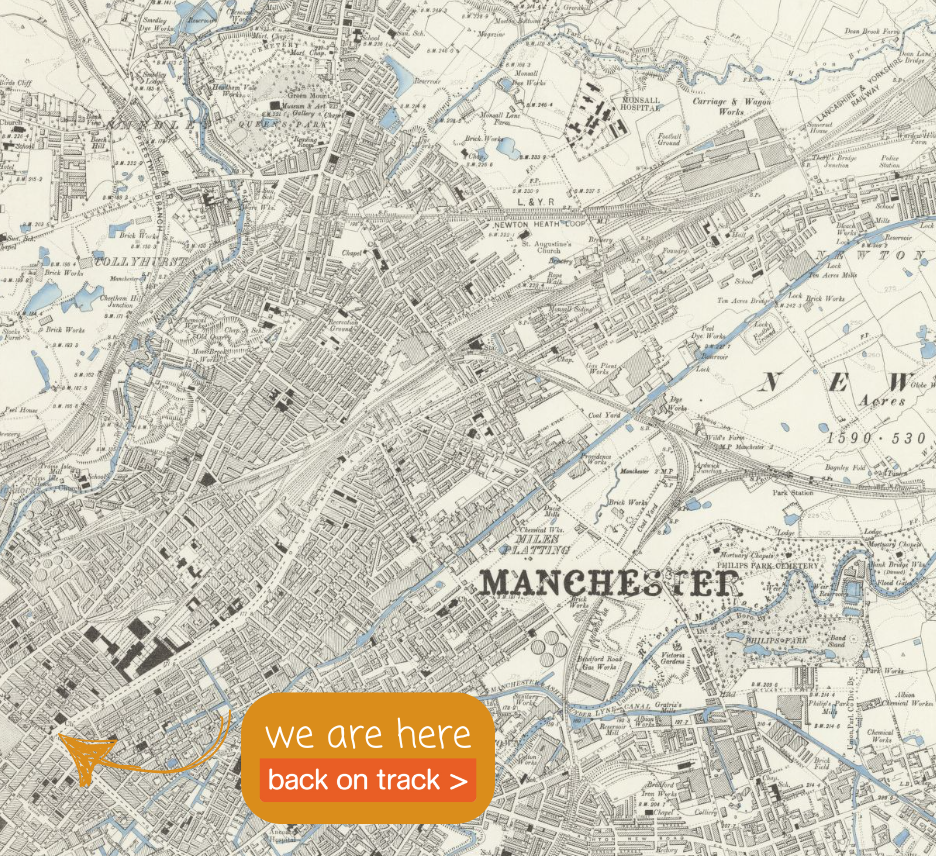
Sandhills is an unassuming country park that lies on Rochdale Road in Collyhurst. It's more like an open meadow than a cultivated park and many people don't give it a second look. But our group went to work researching the park at local libraries and archives - and uncovered an amazing secret history!
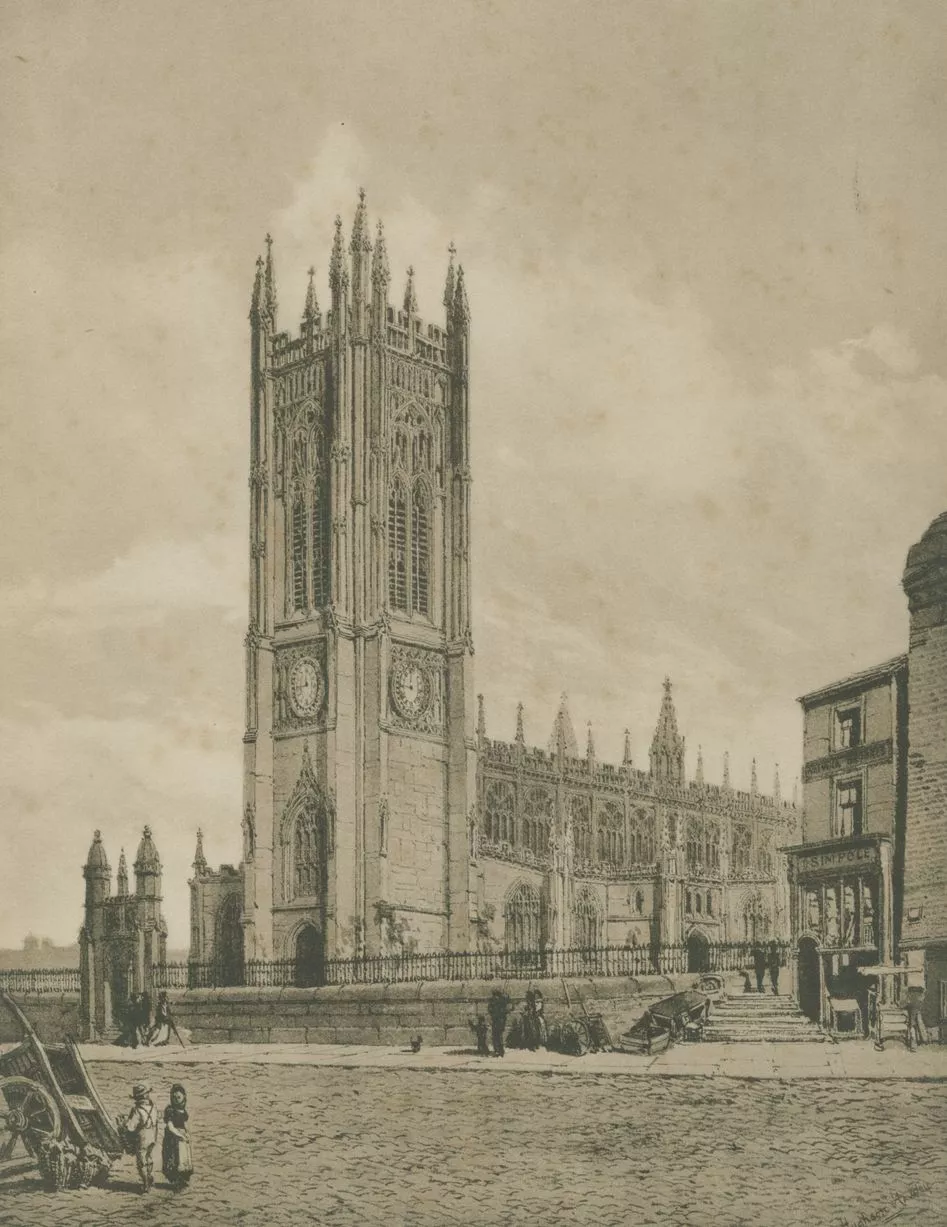 Sandhills country park has many different lives over the centuries. 289 million years ago, the area was created from desert sands blown into dune formations. This created a soft redstone rock which geologists call ‘Collyhurst Sandstone’.
This rock was used to build the Roman Fort in Castlefield as well as some of Manchester’s most famous buildings, including Manchester Cathedral (right) and Chetham’s School of Music!
The cobbles, part of the quarry and the remaining viaduct still remain as a reminder of the rich and varied past of Sandhills.

Mark's poem is inspired by growing up in the area around Sandhills and seeing changes happen to the community.
Vauxhall Gardens - Sandhills' golden days
In 1828 an extraordinary - but temporary - transformation suddenly happened. A local entrepreneur called Robert Tinker took on the land and set about creating a pleasure park. The 23 acre site hosted the ‘Grapes and Compass Coffee House’ where the elite in their best weekend clothes would take their drinks sitting at small tables and sheltered by overhanging trees while a brass band played.
Suddenly Vauxhall Gardens was the place to be seen by Manchester’s upper classes. In fact the gardens were so popular that people would try to avoid the entrance fee by jumping over the walls.
The most unusual attraction was a giant cucumber grown in the gardens - reaching a length of 7ft and 8 inches!
Vauxhall Gardens was described at the time as 'intelligent, rural and delightful’!

Listen: Vauxhall Gardens by Kris
Vauxhall Gardens was designed to cater for Manchester's affluent classes - so Kris wrote his piece from the perspective of 'a snob in the park'!
Sandhills during the Industrial Revolution
After Robert Tinker died, Vauxhall Gardens was sadly left to ruin and Sandhills' days as a destination for Manchester's upper classes were over.
Sandhills shifted shape again during the Industrial Revolution. Trees were felled to make way for houses for the local factory workers. Industries such as corn making, brick and paper works and dye, rope and paint factories soon flooded the area, bringing with them poor air quality and smog. Working class communities lived in poor conditions with very little access to green spaces and clean air.

Listen: Sandhills by Patrick
Patrick's poem is about local people going to work during the Industrial Revolution and enduring tough conditions
A disaster at Sandhills
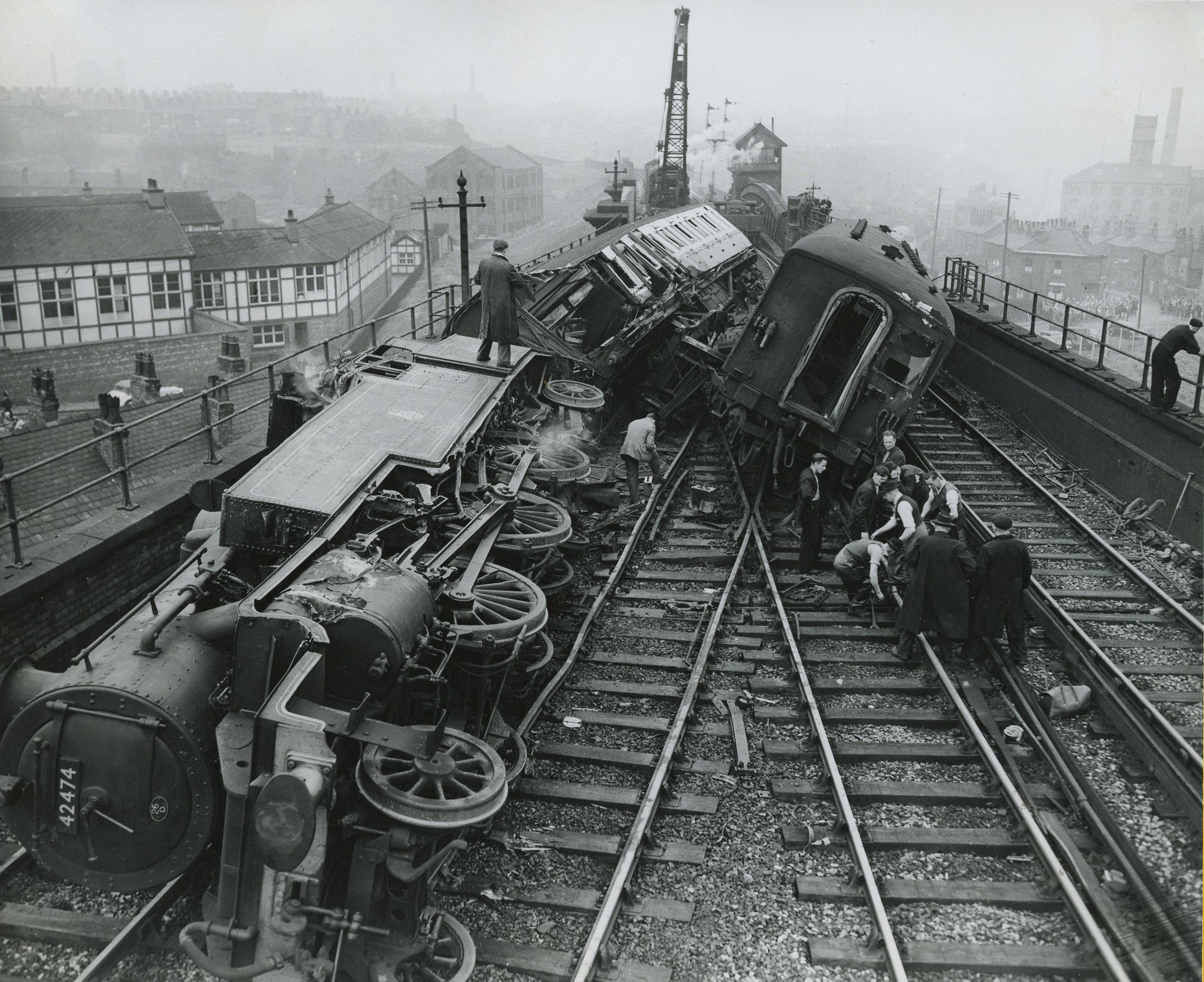
The park was the site of the Irk Valley junction train crash in 1953 where an electric train from Bury collided with a steam passenger train bound for Bacup. The front of the steam train carriage fell 70 feet into the River Irk below, killing 10 people in all.
"I always like to find out the history of where I live and the hidden stories. For me the highlight of the project was writing poetry about the parks, and I wrote a poem about the train crash that happened in 1953."
Roy
Listen: The Train of '53 by Roy
What's next for Sandhills?
Today the cobbles, part of the quarry and the remaining viaduct are a reminder of the industrial past of Sandhills.
What does the future hold for Sandhills? The green space around the park are prime land for development. Industrial buildings have been replaced by towers of flats offering panoramic views of the city which lies only about a 20 minute walk away from the city centre.
This is a space that is ever changing, so what's next for Sandhills?
"As the population increases we believe it is crucially important for the health and wellbeing of the existing and new residents to retain Sandhills and the Irk Valley (Vauxhall gardens) Lowry steps and Smedley dip green spaces, to provide opportunities for communities to come together to improve their physical and mental health of residents by supporting outdoor activities.”
Sue Bowen, Friends of Sandhills
Stay in touch
Do you want to stay in touch with news about Back on Track? Subscribe now to join our mailing list!
Our group visited Queens Park, Philips Park and Sandhills. Click to find out more about each park.
Back on Track Manchester
Registered charity 1017467
Thanks to Historic England for making this project possible